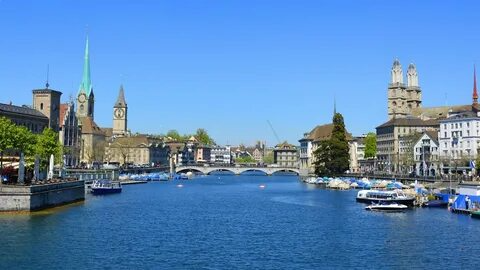
Switzerland has officially taken over the leadership of the Euro-African Dialogue on Migration and Development, also known as the Rabat Process. This role was handed over by Nigeria and will run throughout 2026.
While this development may appear diplomatic, it has direct implications for visas, legal migration, international travel, and workforce mobility between Africa and Europe.
Understanding the Rabat Process
The Rabat Process was established in 2006 to help African and European countries cooperate on migration-related issues. Today, it brings together 57 African and European countries, along with the European Union (EU) and ECOWAS.
Key areas of discussion include:
- Legal migration pathways
- Asylum and international protection
- Return and reintegration of migrants
- Development cooperation
In simple terms, it is a platform where countries work together to make migration safer, more organised, and more beneficial for all parties involved.
Switzerland’s Priorities as Chair
As chair in 2026, Switzerland has announced a strong focus on:
- Protection for asylum seekers, ensuring humane and fair treatment
- Efficient return and reintegration systems, helping migrants return home with dignity and support
To drive these goals, Switzerland’s State Secretariat for Migration (SEM) will host several meetings across Europe and Africa, leading up to a major conference in early 2027. The year will also mark 20 years of the Rabat Process, drawing increased international attention.
Why This Matters for Legal Migration and Work Visas
Switzerland’s leadership goes beyond diplomacy. The Rabat Process plays an important role in shaping EU visa policies and legal migration agreements. As a Schengen-associated country, Switzerland can influence discussions around:
- Work and training migration programmes
- Youth exchange initiatives
- Sector-specific labour mobility, particularly in healthcare and IT
These sectors are experiencing skills shortages in Switzerland, opening the door for structured, legal migration opportunities for qualified professionals from Africa.
Implications for Businesses and Travellers
During 2026, migration policies may evolve more rapidly due to intensified negotiations and pilot programmes. This could result in:
- New visa routes or revised entry requirements
- Increased mobility opportunities for professionals and students
- More scrutiny around migration-related travel
For travellers, employers, and organisations operating between Africa and Europe, staying informed will be essential.
How We Help You Stay Ahead
At JIT travels, we closely monitor international migration and visa developments to help our clients navigate changes with confidence. From visa guidance and application support to travel advisory services, we ensure:
- Compliance with current immigration rules
- Timely updates on policy changes
- Smooth travel planning across multiple countries
As Switzerland’s chairmanship progresses and new mobility frameworks emerge, we are here to help you take advantage of opportunities while avoiding delays or complications.
Contact us today to stay informed and prepared for upcoming travel and immigration changes across Europe and Africa.