
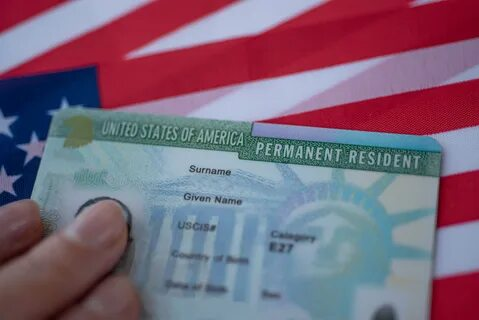
The United States has introduced a major change to its immigration process, requiring most immigrants seeking permanent residency to complete their Green Card applications from outside the country. The policy, announced by U.S. Citizenship and Immigration Services, marks a significant shift in how Green Card applications will now be processed.
The new rule has generated conversations among immigrants, students, workers, and immigration experts, with supporters saying it strengthens immigration compliance while critics warn it could create uncertainty for many families.
Here are five important things to know about the new U.S. Green Card policy.
- Most Applicants Must Apply From Outside the U.S.
Under the new policy, most immigrants applying for a Green Card will be required to leave the United States and complete their applications through a U.S. embassy or consulate abroad.
Previously, many applicants could apply for permanent residency while remaining in the country through a process known as “adjustment of status.” The new rule significantly limits that option, allowing in-country processing only in exceptional cases.
- The Policy Closes a Long-Standing Immigration Loophole
According to U.S. immigration authorities, the policy is designed to close what they describe as a loophole that allowed temporary visa holders to remain in the United States while their residency applications were being processed.
Officials argue that requiring applicants to go through consular processing abroad will improve oversight and ensure stricter compliance with immigration laws.
- Students, Workers, and Tourists Will Be Affected
The new rule is expected to directly impact international students, temporary workers, and tourists currently living in the United States on temporary visas.
Many individuals who planned to transition from temporary status to permanent residency may now need to return to their home countries before continuing the Green Card process.
This could lead to additional travel expenses, longer waiting periods, and uncertainty for applicants and their families.
- Some Exceptions May Still Apply
Although the policy introduces stricter rules, U.S. Citizenship and Immigration Services says certain applicants may still be allowed to complete their applications within the United States.
Exceptions may be granted for cases considered to provide economic benefits or serve the national interest of the country. However, immigration experts believe these exemptions will likely be limited and reviewed individually.
- Critics Fear Family Separation and Delays
Critics of the policy warn that the new rules could separate families for long periods, especially since Green Card processing can take months or even years.
There are also concerns that the policy could increase uncertainty for immigrants already waiting for decisions on their applications. Reports indicate that over one million Green Card applications are currently pending.
While the Department of Homeland Security says the changes will improve efficiency and strengthen immigration procedures, critics argue that the policy may make lawful immigration more difficult for many people.
Final Thoughts
The new U.S. Green Card policy represents a major shift in America’s immigration system. By requiring most applicants to complete their residency process from outside the country, the government aims to tighten immigration controls and improve compliance with existing laws.
However, the policy also raises concerns about delays, family separation, and reduced flexibility for immigrants already living in the United States. As immigration policies continue to evolve, applicants are encouraged to stay informed and seek professional guidance from JIT Travels before making important decisions regarding their Green Card or residency application process.